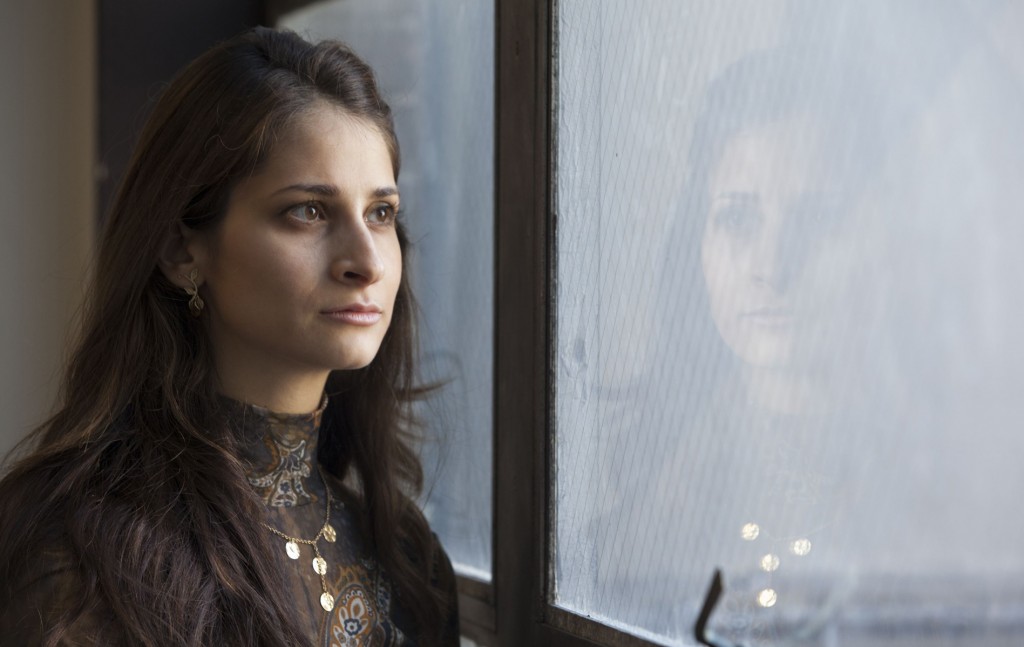
Stern College Graduate Lea New Is on a Mission to Preserve a Forgotten Holocaust Burial Site
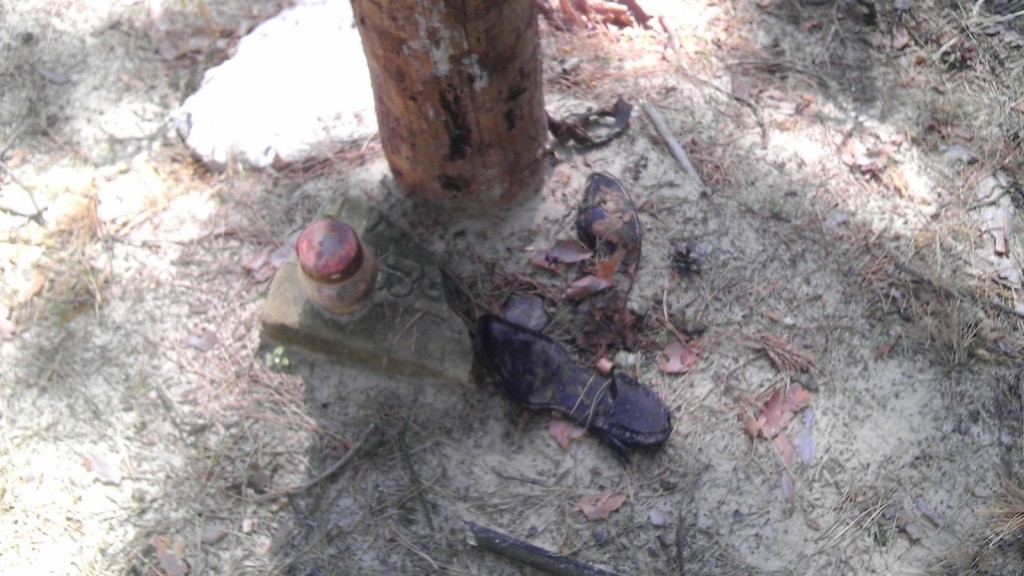
In the small town of Netishin, Ukraine, more than 1,500 Jewish bodies are buried in two shallow graves. The bodies are victims of the Einsatzgruppen, Adolf Hitler’s infamous para-military death squads that swept through the region in 1941. There is no monument and the victims’ clothing and shoes, along with fragments of Torah scrolls, prayer books and tefillin [phylacteries] still lay on the ground. All this may change soon, thanks to the efforts of Lea New, a 2008 graduate of Yeshiva University’s Stern College for Women.
“I think it’s important work to make a resting place to remind the world and ourselves of this tragedy,” said New, who is currently pursuing a dual master’s degree in Judaic studies and Jewish education at New York University.
New learned about the site from her brother, Dovid, who spent the summer in the Ukraine serving as a Chabad shaliach [emissary]. During his trip, he saw many gravesites, but the one in Netishin struck him.
“It seemed untouched since the war,” said Dovid. “There were scattered bones and a couple of old shoes and clothes. It was a pretty horrific site.”
To make matters worse, the Ukrainian government planned to bulldoze the gravesite to build villas for international visitors.
Dovid contacted his sister who immediately began working on a plan to build a proper burial site. After reaching out to local government officials, New was told that construction plans would be stopped provided the community could prove that the site was, in fact, sacred. In addition, she was informed a proper monument could be built but that all the funding had to come from private donations.
Working with the local Chabad shaliach in nearby Zhitomir, Rabbi Nachum Tamarin, who served as New's interpreter, and members of the Netishin Jewish community, New was able to get in touch with the German branch of the American Jewish Committee to verify the site of the massacre and Nazi involvement.
New then contacted Geder Avos, a small non-profit based in Brooklyn that is dedicated to preserving and restoring Jewish cemeteries in Eastern Europe. Moshe Rubin, head of Geder Avos, estimated that fixing the site would cost roughly $5,000. Over the last three months New has raised close to half of the $5,000 total required for the project mostly through friends and family in her community.
New, who has never been to Netishin but hopes to visit in the spring, attributed part of her determination on this quest to the year she spent after graduation working in the YU library and archives as a Presidential Fellow.
“The archive is very committed to preserving older things and finding meaning and relevance,” said New. “That added to my resolution.”